

Solution
Predictive Maintenance
Condition monitoring and early-warning systems for critical industrial equipment.
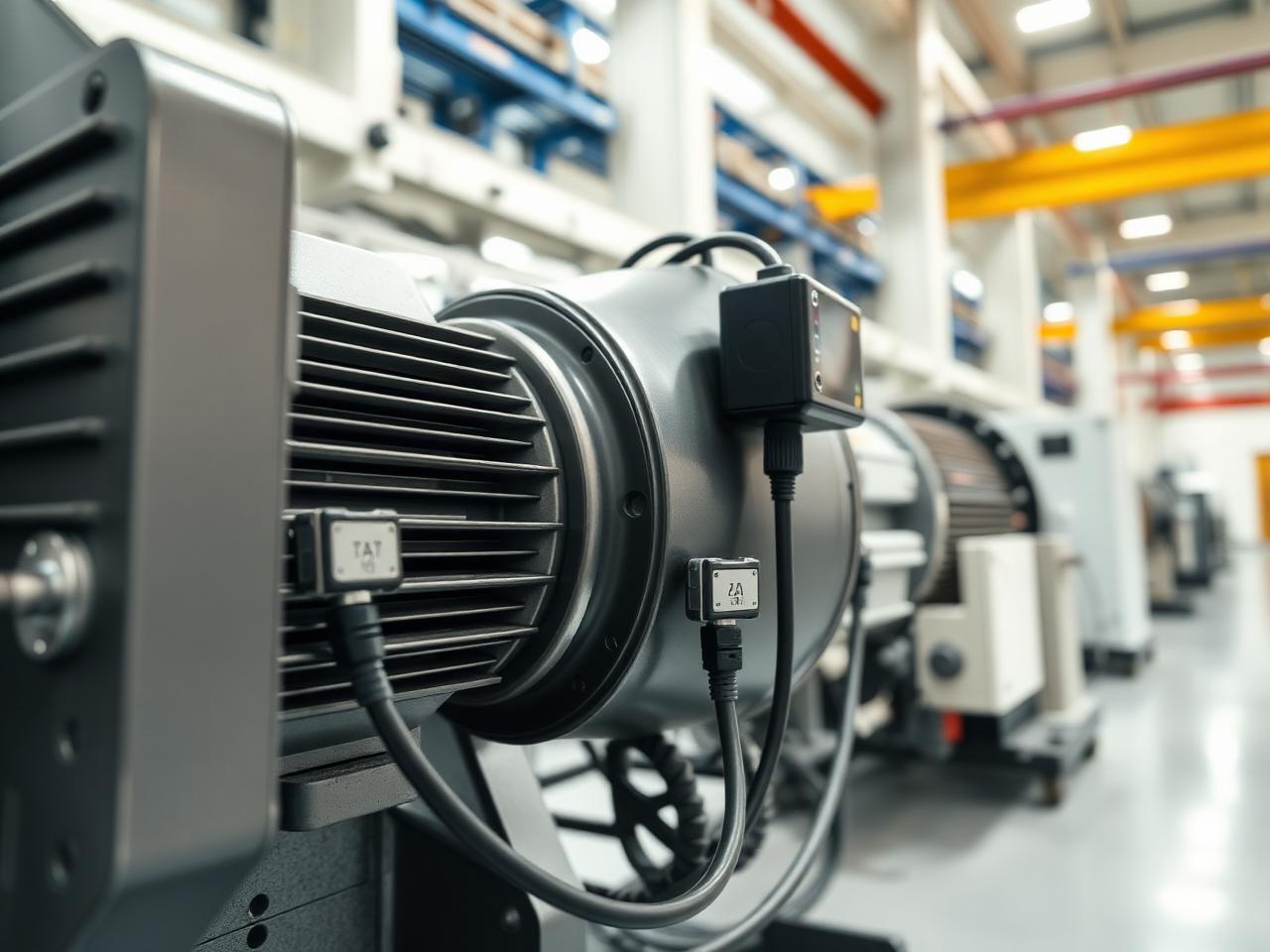
Illustrative industrial photography — not a TraceVexa installation.
The operational problem
Unplanned stoppages are among the most expensive events in a plant, yet many failures announce themselves days or weeks in advance — in vibration, temperature and current signatures that nobody is watching.
TraceVexa designs condition-monitoring systems that watch the equipment you depend on: motors, pumps, fans, compressors, gearboxes and rotating machinery. Sensor data is collected continuously, trended over time and screened for behaviour that deviates from a healthy baseline.
Alerts reach maintenance teams while intervention is still cheap and schedulable — and every event is recorded with context, so maintenance decisions are grounded in evidence rather than habit.
Capabilities
What the system does
- Vibration, temperature, current and pressure monitoring
- Baseline trending and anomaly detection
- Threshold alarms and graded notifications
- Equipment health dashboards
- Maintenance history and event context
- Integration with maintenance workflows
How it works
From signal to action
- 01
Instrument
Sensors are selected and placed where failure modes actually appear.
- 02
Trend
Continuous readings build a baseline of healthy equipment behaviour.
- 03
Detect
Deviations, drift and anomalies are flagged against that baseline.
- 04
Respond
Alerts and context reach maintenance teams in time to plan the fix.
Architecture
- Condition sensors on critical assets
- Edge acquisition and preprocessing
- Trend and anomaly analysis
- Alerts and maintenance context
- Health dashboards and history
Integrations
- Industrial IoT sensor networks
- PLC and SCADA environments
- OPC UA, Modbus and MQTT
- CMMS and maintenance-management tools
- Email and messaging alert channels
Applications
- Motor, pump and fan condition monitoring
- Compressor and gearbox health tracking
- Bearing wear and imbalance detection
- Overheating and overload early warnings
- Maintenance planning based on condition
- Post-repair verification through trends
FAQ